Product Manager
Worker List by Problem Patterns
A dynamic worker prioritization view that surfaces the right workers to supervisors based on recurring operational issues.
AnalyticsWorkflow IntelligenceUX Strategy
Overview
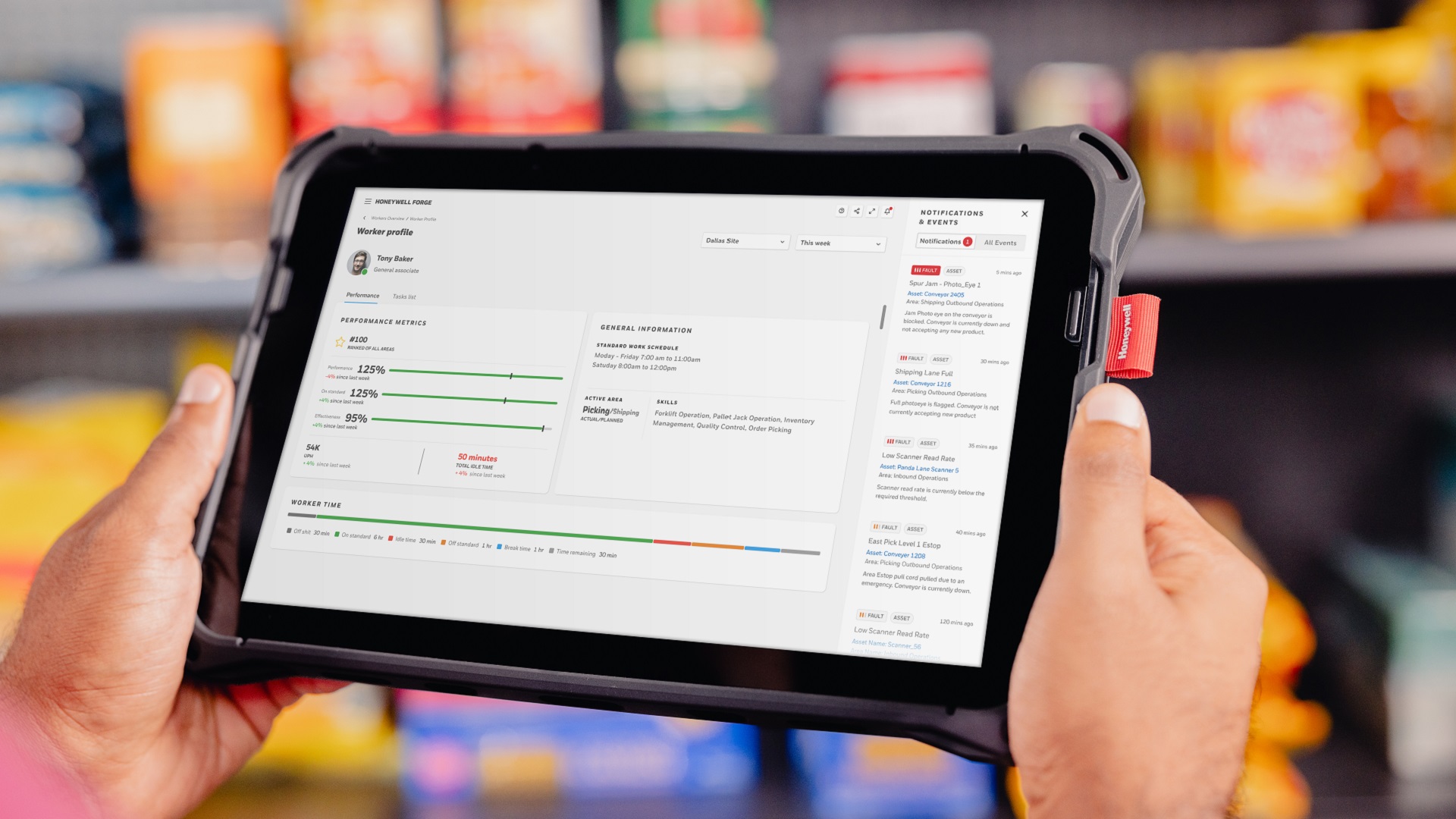
Worker List by Problem Patterns is an intelligent prioritization view within the supervisor experience. Instead of showing a static list of all workers, it dynamically ranks and surfaces workers based on recurring operational issues — helping supervisors focus their attention where it matters most.
The Challenge
Supervisors were overwhelmed by flat worker lists that didn't reflect urgency or context. They had to manually review each worker's status to identify who needed attention, which was time-consuming and error-prone — especially in large teams.
My Role
As Product Manager, I led the discovery, definition, and delivery of this feature — working closely with data science, design, and front-end engineering to build a view that was both analytically rigorous and intuitively usable.
Approach
I partnered with data science to define "problem patterns" — recurring combinations of exceptions, delays, and performance dips that indicated a worker might need supervisor intervention. We then worked with design to create a prioritized list view that highlighted these patterns without overwhelming the supervisor with raw data.
What I Delivered
- A dynamically ranked worker list driven by pattern-detection algorithms
- Contextual indicators showing the type and frequency of detected issues
- Drill-down capability from the list to individual worker timelines
- Configurable sensitivity settings so supervisors could tune the signal-to-noise ratio
Outcome
Supervisors using the problem-patterns view reported spending less time on manual triage and more time on targeted coaching. The feature also surfaced systemic issues — recurring patterns across multiple workers — that led to process improvements at the site level.
Key Learnings
- Intelligent defaults matter. Supervisors didn't want to configure complex rules — they wanted the system to surface the right information with minimal setup.
- Transparency builds trust. Showing why a worker was flagged (not just that they were) was critical to adoption.
- This feature reinforced the value of investing in a strong data pipeline — the pattern detection was only as good as the underlying event data.